
Ultimate Equipment Guide for Demolition Service Operations
Learn about the key machinery and tools that optimize workflow and safety in demanding demolition environments.
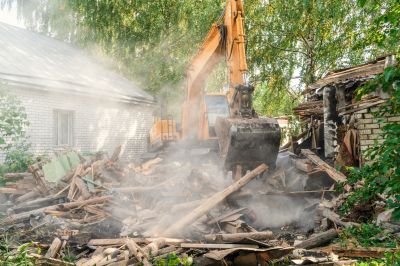 In the field of demolition services, selecting the right equipment and tools is essential for ensuring efficient and safe operations. Whether tearing down structures, removing concrete, or handling debris, a diverse range of products can cater to different project requirements. Heavy-duty machinery such as excavators with specialized attachments are commonly used for large-scale demolitions, providing power and precision. Hand tools like sledgehammers and pry bars are indispensable for smaller tasks or detailed work, offering versatility and control.
Top Overall Option
Heavy-Duty Excavator with Demolition Attachments
A versatile piece of equipment that combines power and adaptability, a heavy-duty excavator equipped with various demolition attachments can handle a wide range of tasks from tearing down structures to breaking concrete. Its adjustable arm and interchangeable tools make it suitable for different project sizes and complexities, offering efficiency and precision in demolition work.
Types of Products For Demolition Service
Hydraulic Breakers
Powerful attachments designed for breaking concrete, asphalt, and other hard materials, suitable for use with excavators or skid steers.
Demolition Hammers
Hand-held tools used for breaking up concrete and masonry in smaller demolition tasks.
Pry Bars and Crowbars
Manual tools essential for prying, lifting, and removing materials during demolition work.
Sledgehammers
Heavy-weight hand tools used for breaking through walls, concrete, and other tough materials.
Skid Steer Loaders
Compact machines equipped with various attachments for debris removal, grading, and material handling.
Dumpsters and Debris Containers
Large containers for collecting and transporting demolition debris efficiently.
Concrete Cutters
Specialized saws designed for precise cutting of concrete and masonry structures.
Dust Suppression Systems
Equipment used to minimize dust during demolition activities, improving site safety.
Safety Gear
Protective equipment including helmets, gloves, goggles, and respirators to ensure worker safety.
Vibratory Plate Compactors
Machines used for compacting soil and debris to stabilize the site after demolition.
Portable Generators
Reliable power sources for tools and equipment in remote or outdoor demolition sites.
Hydraulic Power Units
Provide the necessary hydraulic pressure for operating breakers, shears, and other attachments.
Popular Choices
Ideal for small to medium demolition projects with limited space, offering maneuverability and power.
Attachments that allow for efficient crushing and recycling of concrete debris.
Popular for manual demolition tasks requiring force and precision.
Lightweight and portable options for indoor or detailed demolition work.
Powerful pneumatic tools used for breaking up concrete and asphalt efficiently.
Facilitate safe and efficient debris removal from elevated work areas.
Attachments for cutting through steel, rebar, and other tough materials.
Illumination solutions for safe working conditions during evening or indoor demolition.
Provide compressed air for pneumatic tools used in demolition tasks.
Help contain debris and prevent contamination of surrounding areas.
Barrier systems to cordon off work zones and protect personnel and bystanders.
Devices used to measure ground and structural vibrations during demolition activities.
Supply water for dust suppression and other needs on site.
Safety is a paramount concern in demolition work, making protective gear and supportive equipment equally important. Items such as helmets, gloves, and safety goggles help safeguard workers from potential hazards. Additionally, accessories like dust masks and ear protection contribute to a safer working environment. For debris removal and site cleanup, various containers, dumpsters, and compactors are used to manage waste effectively. Proper equipment selection can significantly influence the speed, safety, and overall success of demolition projects.
Understanding the scope of the project is crucial when choosing demolition products. Larger projects may require heavy machinery with multiple attachments, while smaller or interior demolitions might rely on hand tools and portable equipment. Investing in durable, reliable products tailored to specific tasks can help streamline operations and reduce downtime. Always consider compatibility, ease of use, and maintenance requirements when evaluating different options. With the right tools, demolition professionals in Ellensburg, WA, can approach their projects with confidence and efficiency.
Key Buying Considerations
- Project scale and scope to determine appropriate equipment size and capacity.
- Material types involved in demolition, such as concrete, steel, or masonry.
- Site accessibility and space constraints impacting equipment choice.
- Power source availability, whether electric, hydraulic, or pneumatic.
- Safety features and compliance with local regulations.
- Ease of operation and maintenance requirements for selected tools and machinery.
- Durability and build quality to withstand demanding demolition environments.
- Compatibility of attachments and accessories with existing equipment.
- Budget constraints and cost-effectiveness over the lifespan of the tools.
- Availability of spare parts and technical support in your area.
- Environmental conditions like dust, debris, and weather that may affect equipment performance.
- Worker training needs for safe and effective operation.
- Transportability and storage considerations for larger machinery.
- Potential for project expansion or scalability of equipment choices.